



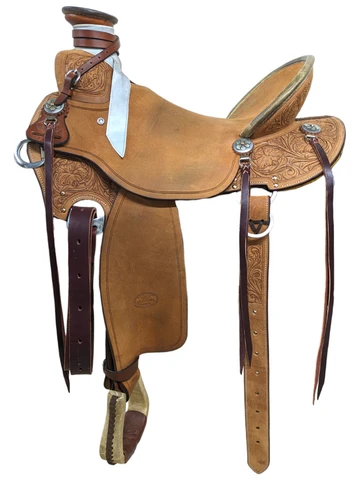
A quality saddle is one of the most important pieces of equipment for any rider. Whether someone spends weekends exploring trails, works on a ranch, or participates in Western riding activities, the right saddle can make a significant difference in comfort for both horse and rider.
While many riders immediately look for brand-new equipment, purchasing used western saddles can be a practical option for those who want quality craftsmanship at a more accessible price point. Pre-owned saddles often provide riders with the opportunity to find well-made equipment that has already developed the character and feel of broken-in leather.
However, buying a used saddle requires careful evaluation. Understanding what to look for can help riders choose equipment that suits their needs and provides lasting value.
Why Riders Consider Used Western Saddles
There are several reasons experienced horse owners and beginners explore pre-owned saddles.
More Affordable Access to Quality Equipment
Western saddles can represent a significant investment, especially when choosing handcrafted designs or established brands. A used saddle allows riders to explore higher-quality options while staying within their budget.
Instead of choosing a lower-quality new saddle, some riders prefer investing in a carefully maintained used option with better materials and construction.
Broken-In Comfort
Leather saddles often become more comfortable as they are used and properly maintained. A pre-owned saddle may already have a softer feel and a riding shape that has developed over time.
For many riders, this comfort is one of the biggest advantages of purchasing used equipment.
Wider Selection
The used saddle market often includes different styles designed for various riding activities, including:
- Trail riding saddles
- Ranch saddles
- Barrel saddles
- Roping saddles
- All-around Western saddles
This variety allows riders to search for a saddle that matches their specific riding goals.
What Makes a Good Used Western Saddle?
Not every used saddle will have the same condition or quality. Before purchasing, riders should inspect several important areas.
Check the Saddle Tree
The tree provides the foundation and shape of the saddle. Damage to the tree can affect both fit and performance.
Look for:
- Cracks or structural damage
- Uneven shape
- Signs of major repairs
A saddle with a strong tree is more likely to provide reliable service.
Inspect the Leather
Leather condition can reveal how well a saddle has been maintained.
Check for:
- Excessive dryness
- Deep cracking
- Stiff areas
- Torn sections
Minor wear is normal, but significant leather damage may require expensive repairs.
Examine Hardware and Stitching
Small details can provide insight into overall condition.
Inspect:
- Buckles
- Conchos
- Stirrup attachments
- Stitching areas
- Cinch points
Well-maintained hardware and stitching are signs that a saddle has received proper care.
Finding the Right Saddle Fit
A saddle should fit both the rider and the horse. Even a high-quality saddle may not perform well if it is the wrong size or shape.
Rider Fit
The seat size should provide enough room for the rider to sit comfortably while maintaining proper balance.
Factors to consider include:
- Rider height
- Body shape
- Riding position
- Personal comfort preference
Horse Fit
A saddle should distribute weight properly across the horse’s back.
Poor fit can create pressure points and discomfort, which may affect the horse’s movement and willingness to perform.
Riders should consider:
- Tree width
- Bar style
- Saddle shape
- Horse body type
Taking time to evaluate fit helps create a better riding experience.
Common Mistakes When Buying a Used Saddle
Buying a used saddle can provide excellent value, but there are some mistakes riders should avoid.
Choosing Based Only on Appearance
A saddle may look attractive but still have hidden issues. Condition and fit are more important than decorative details.
Ignoring the Intended Use
A trail saddle and a roping saddle are designed differently. Riders should select equipment based on how they plan to use it.
Skipping Inspection
Even experienced riders should carefully inspect a used saddle before purchase. Photos may not always reveal every detail, so asking questions about condition and history is important.
How to Care for a Pre-Owned Western Saddle
Proper maintenance can extend the life of a used saddle.
Helpful care practices include:
- Cleaning leather regularly
- Applying appropriate leather conditioner
- Keeping the saddle stored in a dry location
- Checking hardware periodically
- Protecting it from excessive moisture
A well-maintained saddle can continue serving riders for many years.
Final Thoughts
Purchasing a pre-owned saddle can be a smart choice for riders who want quality equipment while managing their budget. The key is understanding what makes a saddle reliable, checking important details, and selecting a model that fits both rider and horse.
For riders searching for carefully inspected equipment and quality options, Saddle Up Colorado offers a selection of used Western saddles for different riding needs. Taking time to choose the right saddle can help create a more comfortable and enjoyable experience every time you ride.